
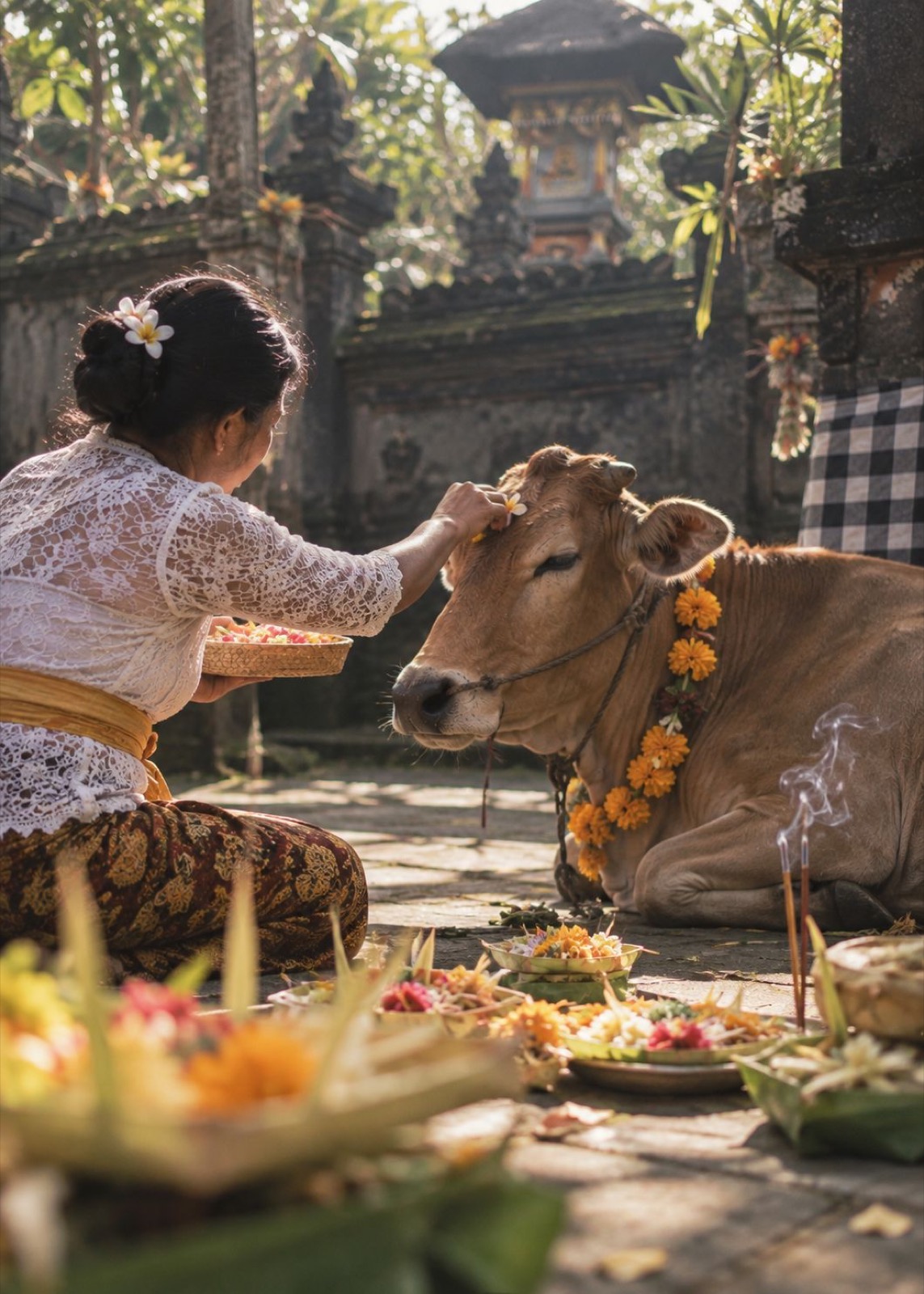
In Bali the sacred rarely stays behind temple walls. It is present in the home, in the rice field, by the road, in the water that flows from a spring.
It accompanies a person through birth, growing up and death. It embraces trees, the earth, everyday objects – and animals.
One of the days when this becomes especially visible is Tumpek Kandang, also called Tumpek Uye – the Balinese holy day dedicated to animals.
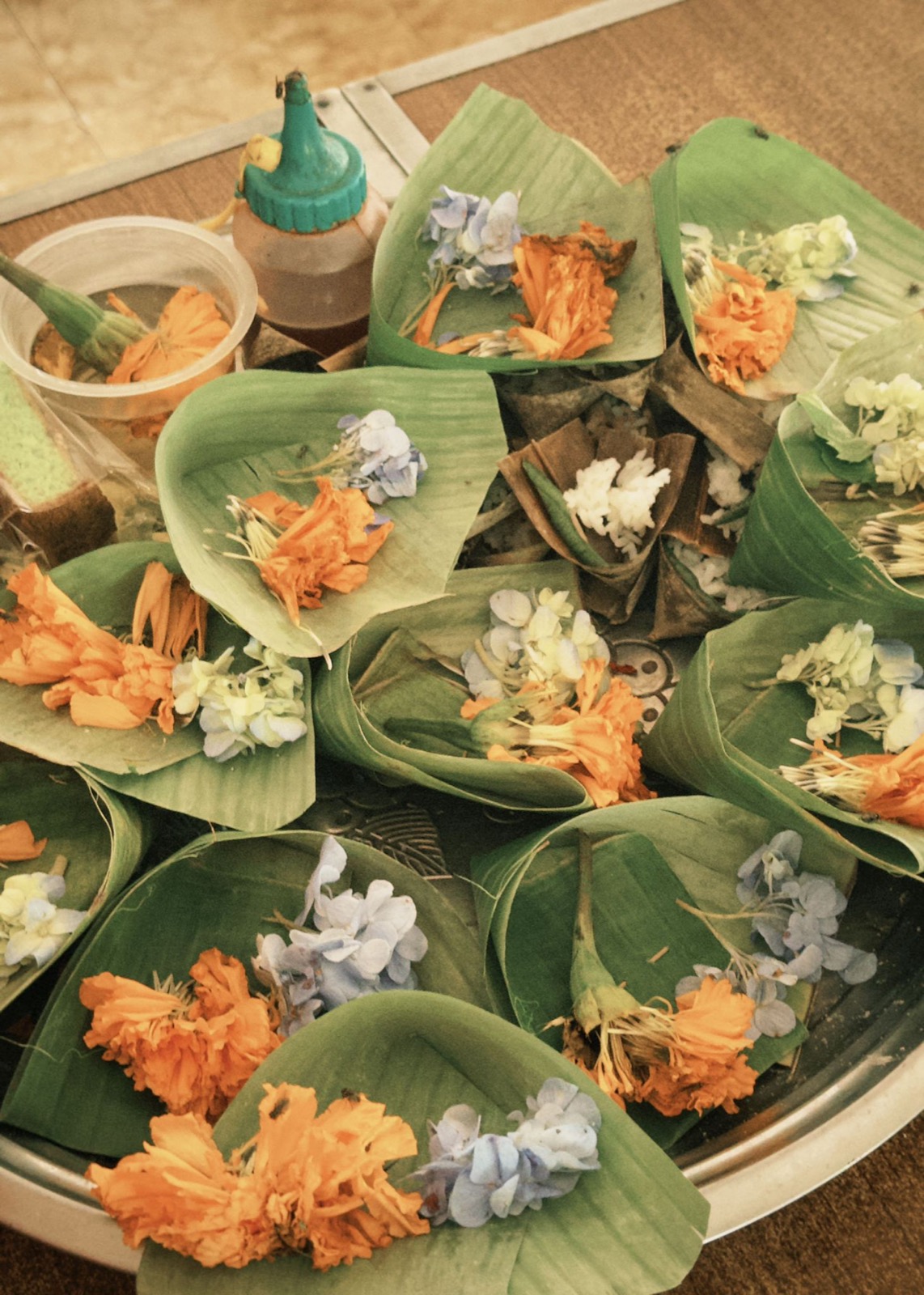
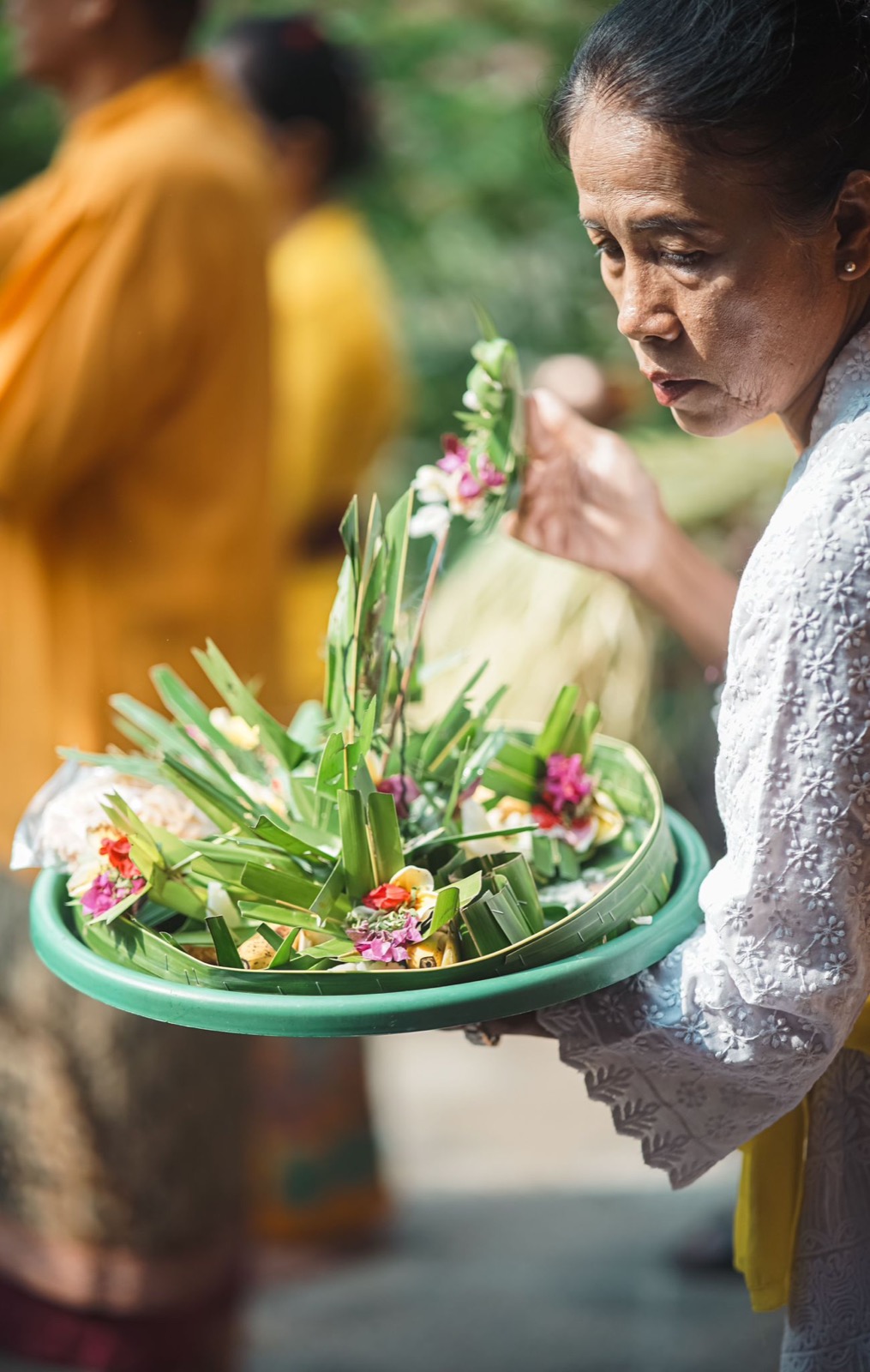
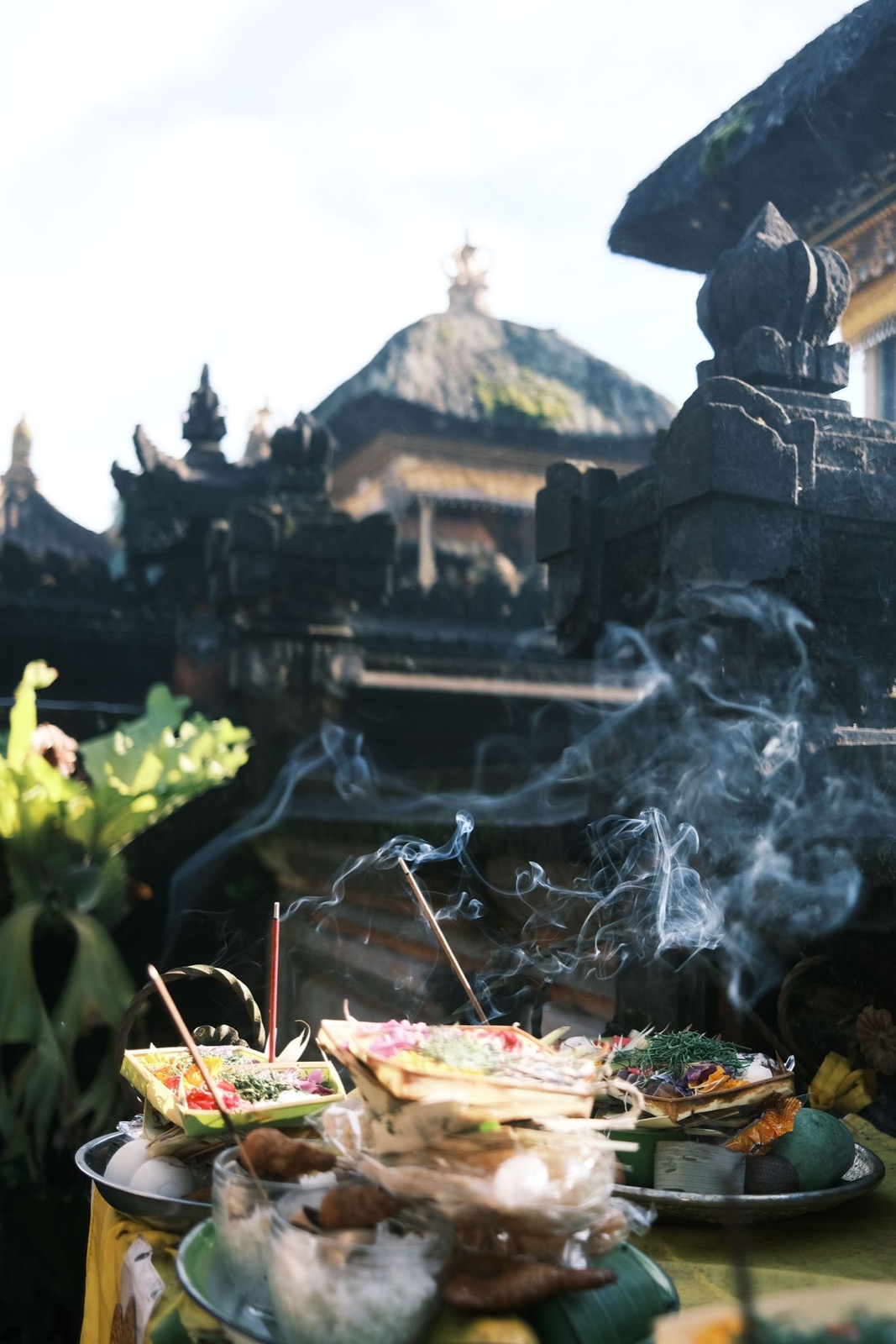
On that day small offerings appear in front of houses and farms. The Balinese prepare them for the animals that live alongside them: cows, pigs, chickens, ducks, dogs and cats. The animals are washed, decorated and symbolically blessed. Beside their pens people lay out banten – compositions of palm leaves, flowers, rice and other gifts.
Yet this is not an "animal day" in the European sense of the word.
Gratitude, not a fair
Tumpek Kandang is above all a day of gratitude to God for the world of animals and for their place in human life. In Balinese tradition the day is linked with the veneration of the divine manifestation known as Sang Hyang Pasupati. It falls on the Saturday Saniscara Kliwon of the week Uye in the Balinese Pawukon calendar. The cycle repeats every 210 days.
At first glance it is the animals that draw the eye. A cow with an ornament hung around its neck. A dog sitting beside a small basket of offerings. Pigs on a farm where incense was lit a moment earlier.
But the true meaning of Tumpek Kandang lies deeper.
For centuries animals have helped people work, provided food, guarded farms and simply lived beside humans. So on this day the Balinese symbolically pause to give thanks for that presence. Scholars of Balinese culture point out that Tumpek Kandang also carries a message of care for animals, of their protection, and of human responsibility for the environment in which all beings live together.
And it is precisely here that Tumpek Kandang says far more about Bali than many a monumental temple complex.
A world told through relationships
Because Balinese Hinduism tells the story of the world through relationships.
The relationship between a person and God.
Between one person and another.
And between a person and nature.
It is an echo of one of the most important Balinese ideas – Tri Hita Karana, the search for harmony between the divine realm, people and the world around them. In this reality an animal is neither merely a feature of the landscape nor a resource to be used without limit. It is part of a greater order.
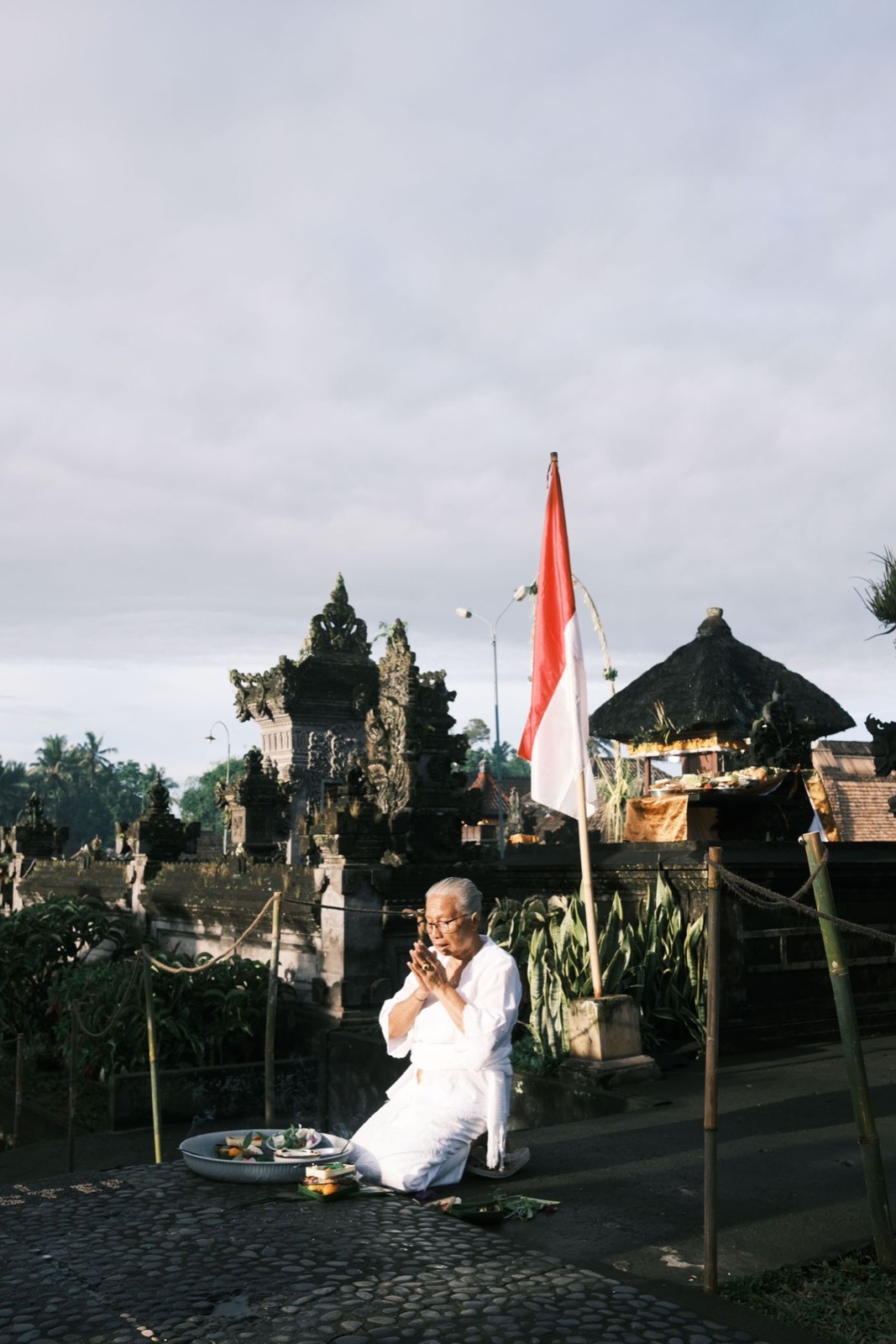
Perhaps that is why, when travelling around Bali, it is sometimes worth looking beyond the great ceremonies.
You do not always need to stand among hundreds of people in a temple, watch a procession or hear the gamelan to understand something important about this island.
Sometimes it is enough to stop in front of a small house.
To smell the incense.
To see a woman arranging an offering of flowers and rice.
And beside her, a cow standing quietly.
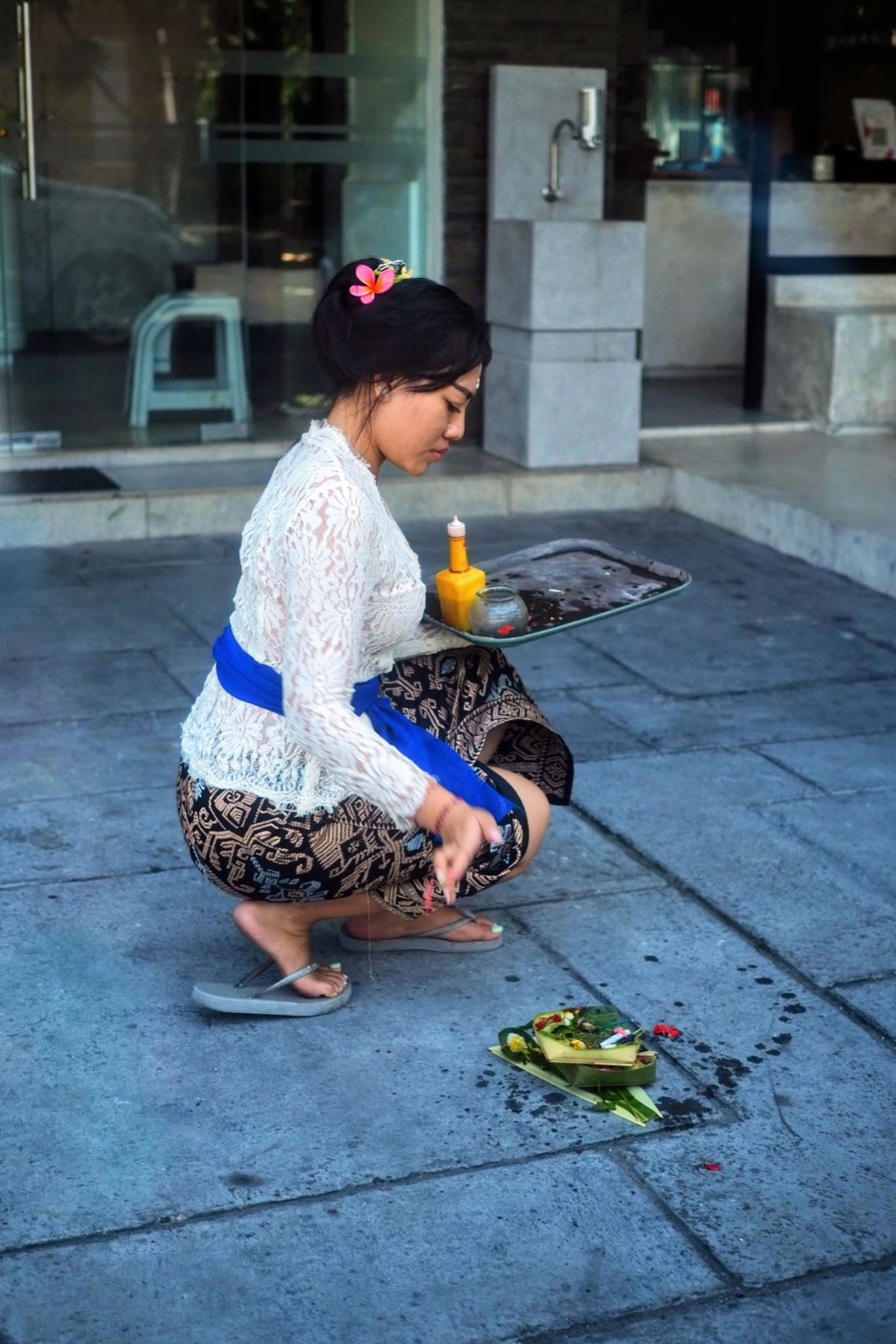
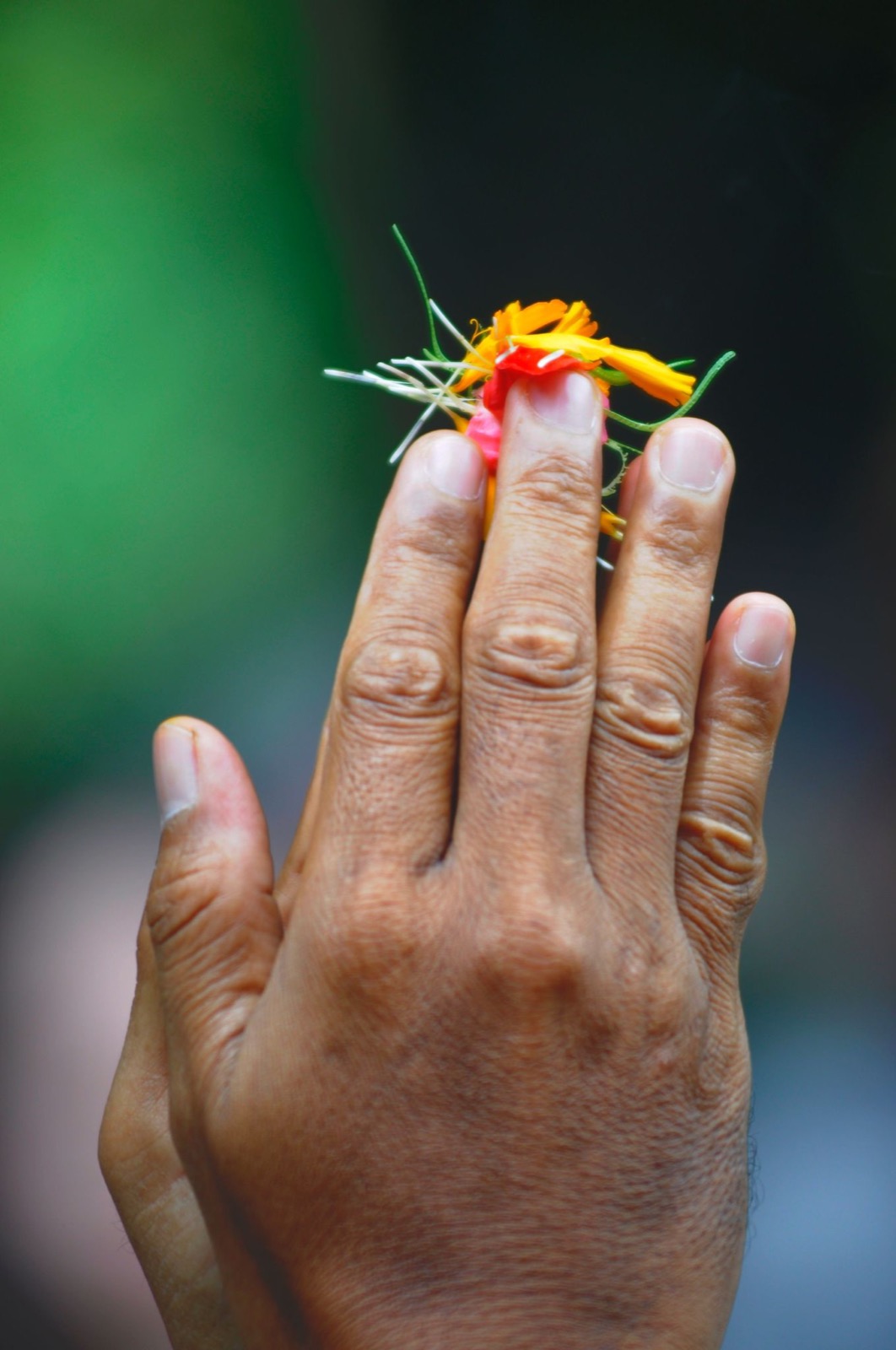
And to understand that the ritual we are witnessing speaks, in essence, of a very simple principle:
Tumpek Kandang is exactly that kind of thanks.
Not only to the animals.
To the whole order of life – of which a human being, at least in the Balinese understanding of the world, is never the sole owner.
Read also
- Bali Beyond the Frame. Between Sekala and Niskala — The first story in the series – on the visible and the invisible world.